
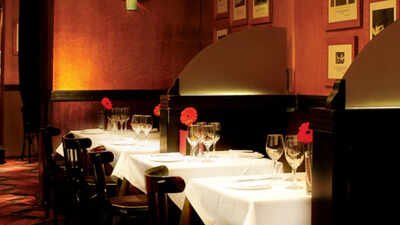
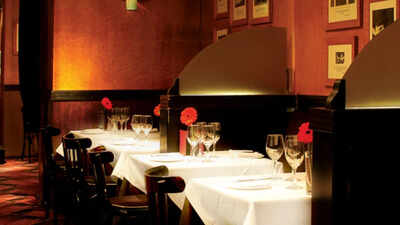
Glasgow’s Rogano restaurant was unable to reopen after flooding and an electrical fire damaged its premises, prompting a legal dispute between its tenant and landlord. The case reached the UK Supreme Court after Forthwell Limited sought to recover profits lost by Lynnet Leisure (Rogano) Limited, the company that operated the restaurant.According to the UK Supreme Court (17 September 2026), the court dismissed Forthwell’s appeal over its claim for the subsidiary’s lost profits. It rejected the proposed legal exception under Scots law that would have allowed Forthwell to recover losses suffered by Lynnet. The court confirmed that the narrow Albazero exception remains part of Scots law, and left open whether the broader ‘performance interest’ ground applies. However, the appeal did not resolve the separate dispute over the landlord’s repair obligations.
Court rejected Forthwell’s argument over lost restaurant profits
Forthwell was the tenant of the Glasgow premises, while Pontegadea UK Limited was the landlord. Forthwell had allowed its wholly owned subsidiary, Lynnet Leisure (Rogano) Limited, to occupy the premises and operate the Rogano Restaurant and Bar. Lynnet was not a party to the lease. Forthwell argued it should be able to recover Lynnet’s lost profits and then account to Lynnet for them.The court rejected the legal exception Forthwell relied on and dismissed its appeal. It held that the proposed exception did not form part of Scots law.
Flooding and fire damage sparked a dispute over Rogano
The Rogano had closed during the Covid-19 restrictions and could not reopen after its premises were damaged by flooding on 9 and 14 December 2020 and 10 January 2021. A fire broke out after the first flood, leaving the electrical installations unsafe. Water continued to enter the building, which was also left without heating.Forthwell argued that the landlord had failed to meet its obligations to repair the premises and maintain the building’s common areas. Under the lease, the landlord was required to rebuild any part damaged by an insured risk, including flooding. However, the two parties disagreed over the extent of the repairs needed and who was responsible for certain work. The repairs have not been carried out, and the restaurant has not been able to reopen.
Lease dispute raised questions over lost restaurant profits
Forthwell acquired the tenant’s interest in the lease in August 2013 and granted Lynnet a licence to occupy the premises. Lynnet operated the restaurant under that licence, but the lease was between Forthwell and Pontegadea legally. Forthwell sought an order requiring the landlord to carry out repairs or pay damages to cover their cost.Forthwell sought damages for Lynnet’s past and anticipated future lost profits. Pontegadea argued that Forthwell could not recover losses suffered by Lynnet because the subsidiary was not a party to the lease.
Repair responsibilities remain unresolved after the court decision
The Supreme Court held that the exception proposed by Forthwell was too broad and its limits were unclear. The general rule is that a party can recover damages for losses it has itself suffered, subject to exceptions. The court said the proposed approach could impose liability for losses involving a third party whose involvement was not contemplated when the contract was made.It also noted that existing legal routes may allow third parties to claim in some cases. The court found no convincing basis for creating the additional exception sought by Forthwell. It upheld the earlier decision rejecting the lost-profit claim.The parties told the court on the morning of the hearing that they had settled their dispute. Forthwell applied to withdraw its appeal, but the court refused, because the case raised a point of law of general public importance on which authoritative guidance was desirable. The separate questions about the landlord’s repair duties and the remedies sought were not determined by this appeal.