







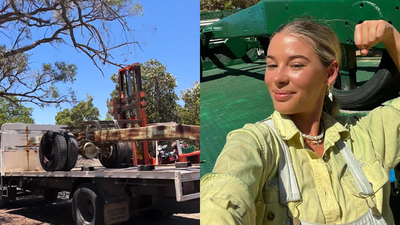
At 26, Kia Humberstone began building a home on the back of a vintage truck and trailer, hoping to find a more affordable path to homeownership without committing to decades of mortgage repayments. Based in Margaret River, Western Australia, she estimated that her second tiny-home project would cost around A$40,000, using recycled materials and her own labour to keep expenses down. Her decision followed an earlier experiment in unconventional living: during the COVID-19 pandemic, she built a tiny home on a truck for A$12,000, lived in it rent-free for two years and later sold it for A$35,000. She used the proceeds to fund a two-year camping trip around Australia. Now, she is building another mobile dwelling to create a home base while retaining the freedom to travel.
Why Kia Humberstone chose an alternative to a traditional mortgage
Humberstone returned to Margaret River after spending nine months in Sydney, where she became dissatisfied with city life. Having grown up in the countryside, she wanted to return to a simpler lifestyle but found that securing affordable housing remained difficult.She was concerned that taking out a conventional home loan as a single person could leave her making repayments well into retirement. Rather than commit to a mortgage, she decided to build a home herself, aiming to gain greater financial independence and flexibility.Her project reflects a personal response to Australia’s housing affordability challenges, particularly for younger people who find it difficult to buy property or secure suitable rental accommodation. Rather than purchasing a conventional house, Humberstone chose to build a mobile dwelling that could serve as her home without being permanently tied to a block of land.
She bought a 1988 Isuzu truck for A$5,000
For her latest project, Humberstone purchased a 1988 Isuzu truck and trailer for A$5,000. She is converting the vehicle into an approximately 13-metre tiny home, with a projected total cost of around A$40,000.The restoration proved more demanding than she had initially expected. After cleaning the truck, she discovered extensive rust that needed to be removed and treated before construction could progress.Her work included grinding away corrosion, treating the metal, patching holes with fibreglass and sanding the surface in preparation for painting. She was also working towards giving the vehicle a glossy green finish.Once the restoration was complete, the next stage involved installing the walls that would divide the interior into separate living spaces. The project required considerable hands-on work, with Humberstone undertaking much of the labour herself to keep costs manageable.
What the A$40,000 tiny home will include
Humberstone planned to turn the truck and trailer into a functional dwelling with four essential areas: a bedroom, bathroom, kitchen and lounge room.The design aims to provide the basic comforts of a conventional home within a compact, mobile structure. Recycled materials are expected to help reduce the overall expenditure, while doing much of the construction herself allows her to avoid some labour costs.At the time of the February 2026 reports, the home was still under construction. Humberstone hoped to move in with the essentials within approximately two months, although she expected the complete project to take another year.The A$40,000 figure is her estimated budget rather than a confirmed final cost. The reports did not establish that the build was completed within that amount.
Her first tiny home cost A$12,000 and sold for A$35,000
Humberstone had already experimented with truck-based housing during the COVID-19 pandemic, when she built her first tiny home on her parents’ property using recycled materials.That project cost approximately A$12,000 and provided her with a place to live without paying rent for two years. She subsequently sold the dwelling for A$35,000, more than twice her original investment.Humberstone used the proceeds to finance a two-year camping trip around Australia. The experience gave her an opportunity to travel while demonstrating how a relatively low-cost housing project could support her preferred lifestyle.Her latest build follows a similar idea, but she intends to create a home base that she can return to between trips. The first project also gave her practical experience of building a dwelling from reused materials and managing a construction project on a limited budget.
She is working three jobs to finance the build
Humberstone is funding the new home by working three jobs while carrying out much of the restoration and construction herself. She is also using recyclable materials wherever possible to keep expenses down.The approach demands considerable time and physical effort, from repairing the truck to preparing it for its conversion into a dwelling. Her experience with the first tiny home has given her a starting point, although the second project involves a larger vehicle and an estimated budget of A$40,000.Rather than buying a completed tiny home, she is building one from the vehicle up. This allows her to control the design and work at a pace that fits her available finances, although the final cost will depend on the work and materials required to finish it.
Why she chose to build a home on wheels
One of Humberstone’s main reasons for choosing a truck was that she did not own land. A mobile dwelling would give her a place to live without first having to purchase a block of property.She also said that building on a truck offered an alternative to a permanent structure, which she believed would avoid certain council regulations. That is her stated reasoning, rather than confirmation that mobile homes are exempt from planning, parking or other legal requirements in every location.The truck format also fits her plans to continue travelling. Once completed, the dwelling is intended to provide a home base without requiring her to give up the flexibility that has shaped her lifestyle.For Humberstone, the objective is not to replicate a conventional house at a lower price, but to find a way of owning a home that better suits her finances and priorities.
Her plan is to live in the home before travelling overseas
Humberstone said she hoped to live in the new dwelling for about a year, enjoy the results of her work and potentially rent it out before travelling overseas.She has described the truck home as her future “little home base”, giving her somewhere to return to while continuing to explore other places.The plan combines a relatively low-cost living arrangement with the possibility of generating rental income when she is away. However, the reports describe her intentions at the time of publication and do not confirm whether she subsequently completed the build, moved in or rented out the home.For now, the project represents her attempt to balance homeownership with a lifestyle that leaves room for travel, rather than committing to a conventional mortgage and a fixed property.
She hopes to inspire other young people to consider alternative homeownership
Humberstone has been sharing updates about the construction on social media, hoping to encourage other young people, particularly women, to explore alternative routes to homeownership.Her message is that owning a home does not necessarily have to follow the conventional path of purchasing a house with a long-term mortgage. Her own experience includes building a low-cost tiny home, living in it rent-free and selling it to finance travel.Her approach will not suit everyone, and a truck-based dwelling still involves expenses and practical considerations such as where it can be parked, access to utilities, sanitation, insurance and relevant local rules. Nevertheless, her project offers an example of how someone is adapting their housing plans to fit their financial circumstances and preferred way of life.