









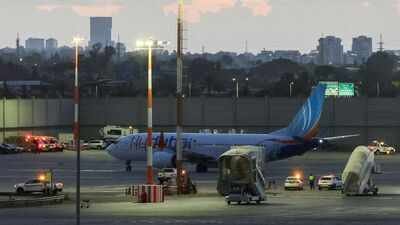
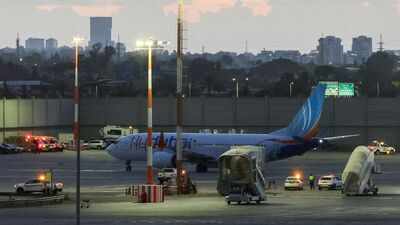
The FlyDubai incident has raised a difficult question for the aviation industry: what happens when the threat is already inside the cockpit?Aviation safety expert Captain Amit Singh believes the incident should be a wake-up call for everyone – especially the global aviation industry. In an interview with me on Times Axis channel, he pointed to gaps in information sharing, pilot background checks and the growing danger of insider threats.The incident took place on a FlyDubai flight from Dubai to Tel Aviv. The co-pilot, an Omani national, attacked the captain while the aircraft was in flight.Reports have suggested that the co-pilot may have intended to take control of the aircraft and crash it in Israel.
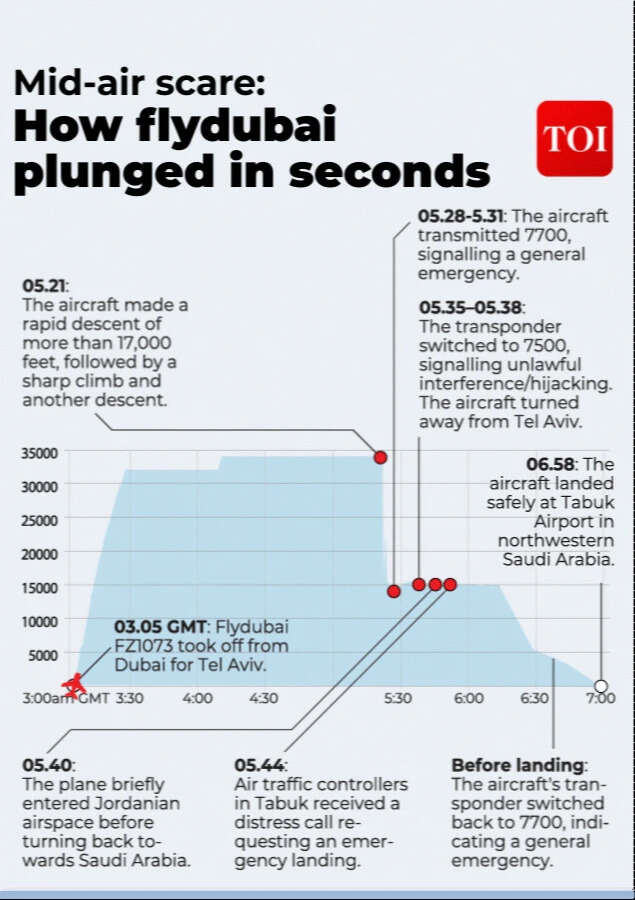
Reports suggested that co-pilot may have intended to take control of aircraft and crash it in Israel.
Singh said the sequence of events was consistent with such a possibility. His assessment was that the attack on the captain could have been an attempt to take control of the aircraft. When that failed, the co-pilot may have tried to bring the aircraft down.These are questions for investigators to establish. The cockpit voice recorder and flight data recorder will be crucial in reconstructing what happened.But there is another question that Singh believes needs urgent attention. How did the warning against this pilot get lost when he moved from one country and airline to another?
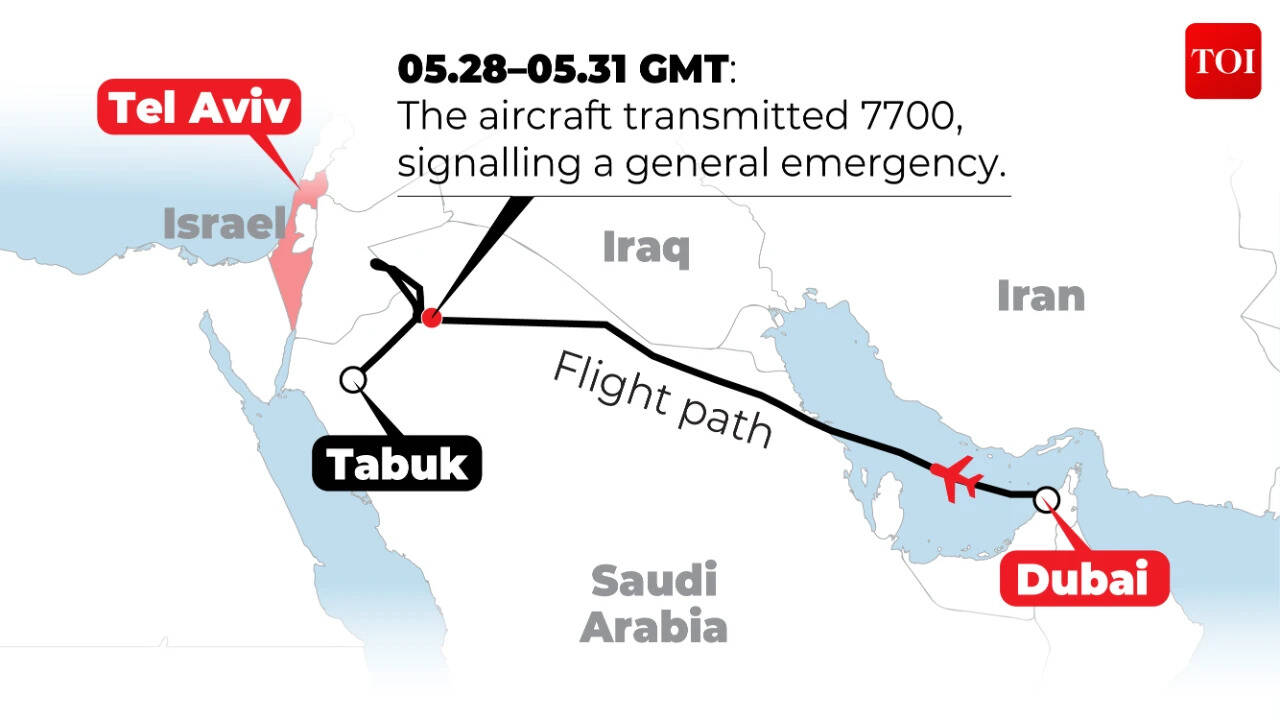
The flight data recorder should provide a much clearer picture.
Reports have said the pilot had previously been barred from flying in Oman over concerns about extremist views. He later worked in other countries before joining FlyDubai. Singh said this raises questions about how far back airlines and aviation authorities look when checking a pilot’s history. A pilot may move from one country to another and obtain a new licence. Does a new employer get the complete picture?“If somebody, say, his licence was suspended in Oman, then he goes to Morocco, he gets a new licence, he gets a Moroccan licence. And then he shifts somewhere else, he gets a third-country licence, then he comes to Dubai. So Dubai will only check the past licence, not the past three or four licences. So this is a matter of debate.”The larger problem, he argued, is the lack of seamless information sharing across jurisdictions. That is where the concept of the insider threat becomes important.The International Civil Aviation Organization (ICAO) issued an Insider Threat Toolkit in 2022. Singh pointed out that an insider does not necessarily mean someone who has entered an airport illegally. It could be a baggage handler, a member of the catering staff, cabin crew, an engineer or even a pilot.All of them have legitimate access to sensitive areas and systems. The industry, he said, has known about such risks for years. There have been cases involving insiders taking control of aircraft or helping explosives get on board.But he feels that a separate regulation cannot exist for every possible threat. The industry also needs a culture in which small warning signs are reported and information is shared.A disturbing social media post may appear insignificant. So may a warning issued to an employee. But repeated incidents can form a pattern.The challenge is making sure that pattern reaches the people responsible for security. Singh described these early signals as “murmurs”. The question is whether aviation is listening to them.
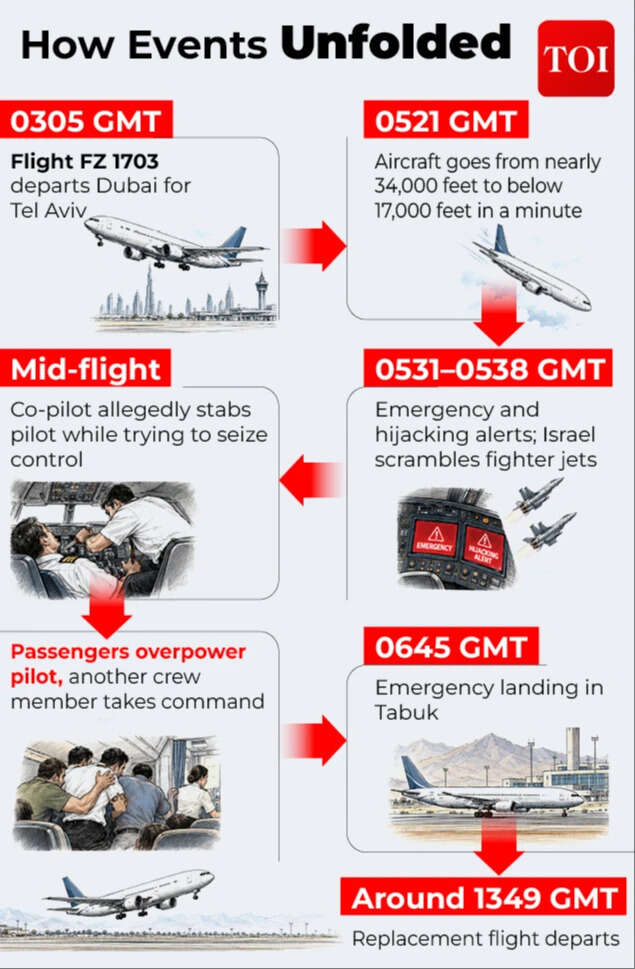
The aircraft had only seconds before it would have hit the ground.
The 30-second window
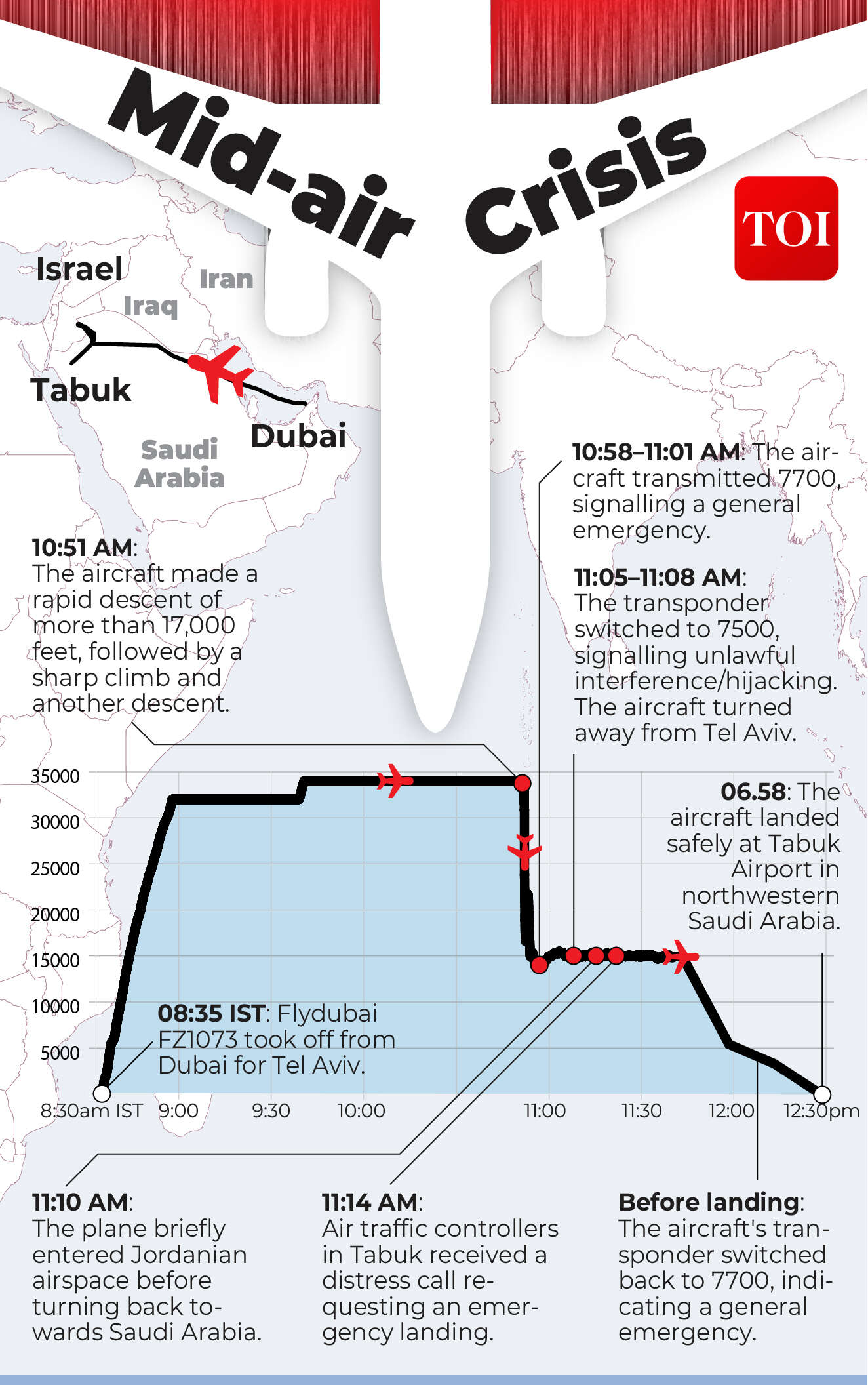
There was another extraordinary element to the FlyDubai incident. The captain managed to open the cockpit door after being attacked. Passengers then entered the cockpit and restrained the co-pilot. One passenger, identified as an Israeli plumber, took the controls while the aircraft was in a steep descent. Singh estimates that the aircraft was descending at around 25,000 feet per minute – about ten times the normal rate of descent, according to his assessment. The aircraft was under enormous stress. The passengers needed to act quickly. According to him, the aircraft had only seconds before it would have hit the ground. Therefore, the captain’s decision to open the door was critical. That decision may have saved the aircraft. But Singh believes there was something else unusual about the combination of people on that flight.“The pilot was an Indian and the passengers were Israeli. Had there been different nationalities, the outcome would have been different,” he said.Singh said the captain’s resilience and his faith helped him push through his injuries and reach the cockpit door. He also believes the Israeli citizens’ military training and their instinct to respond quickly helped prevent the aircraft from crashing. He called it their “survival mode”. The point, Singh said, was not that the passengers knew how to fly. It was that they did not freeze. The distinction is important. They were not flying the aircraft in the conventional sense. They were responding to an extreme emergency with almost no time to think. And that is what makes those 30 seconds so important.
Did aviation miss the warning?
What happens next?
Videos recorded by passengers have already fuelled speculation about what happened inside the aircraft.Singh identified one detail that could be significant: emergency lights appear to come on during the incident. Those lights can be activated during a loss of electrical power. In Amit Singh’s view, this raises the possibility that both the aircraft’s engines may have temporarily lost power or may have been deliberately shut down.That cannot be established from the videos alone. The flight data recorder should provide a much clearer picture. But the larger lesson may extend well beyond FlyDubai.Aviation security relies on layers of checks. Licences are checked. Backgrounds are checked. Security clearances are issued.
Share your thoughts in the comments
Be respectful · TOI community guidelines
But an individual’s history can cross several countries and employers. A single database may not capture all of it.Singh believes aviation needs better information sharing, continuous background checks and technology – especially AI and biometrics.People working in aviation must also feel they can report unusual behaviour without being punished for raising a concern.The aviation industry cannot afford to ignore this question: Are we still looking for terrorists outside the system when the next threat may already have legitimate access from inside it?