









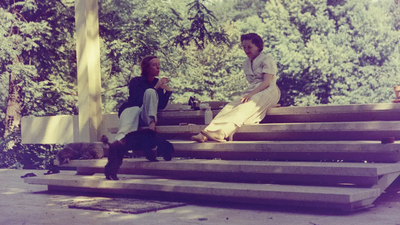
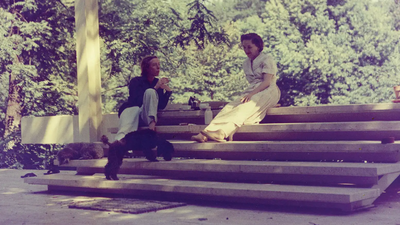
A modernist house in Illinois came surprisingly close to being taken apart and moved away from the landscape it was designed for. In 2003, the Farnsworth House, designed by Ludwig Mies van der Rohe, was put up for sale, and some potential buyers were interested in dismantling it and moving it to another state. According to the National Trust for Historic Preservation, the house faced an imminent threat, and the organisation joined Landmarks Illinois and local supporter John Bryan to save it. They bought it at auction for more than $7.5 million, keeping the landmark where Mies had intended it to stand.
A house designed to blend with its surroundings
The Farnsworth House was built for Dr. Edith Farnsworth as a weekend retreat. Mies designed the house around a simple idea: let the building and its natural surroundings become part of the same experience. Completed in 1951, the house is a 1,586-square-foot, single-storey structure made largely of steel and glass. It sits beside the Fox River in Plano, Illinois, on a 62-acre property. Instead of resting directly on the ground, the house is raised more than five feet above it, allowing floodwater to pass underneath.The design is remarkably spare. The main living area has no conventional interior walls, apart from a central service core containing the kitchen, bathrooms, fireplace and mechanical equipment. Floor-to-ceiling glass surrounds the living space, making the surrounding trees, meadow and changing seasons almost part of the interior. That simplicity became one of the reasons the house gained such importance in architectural history.
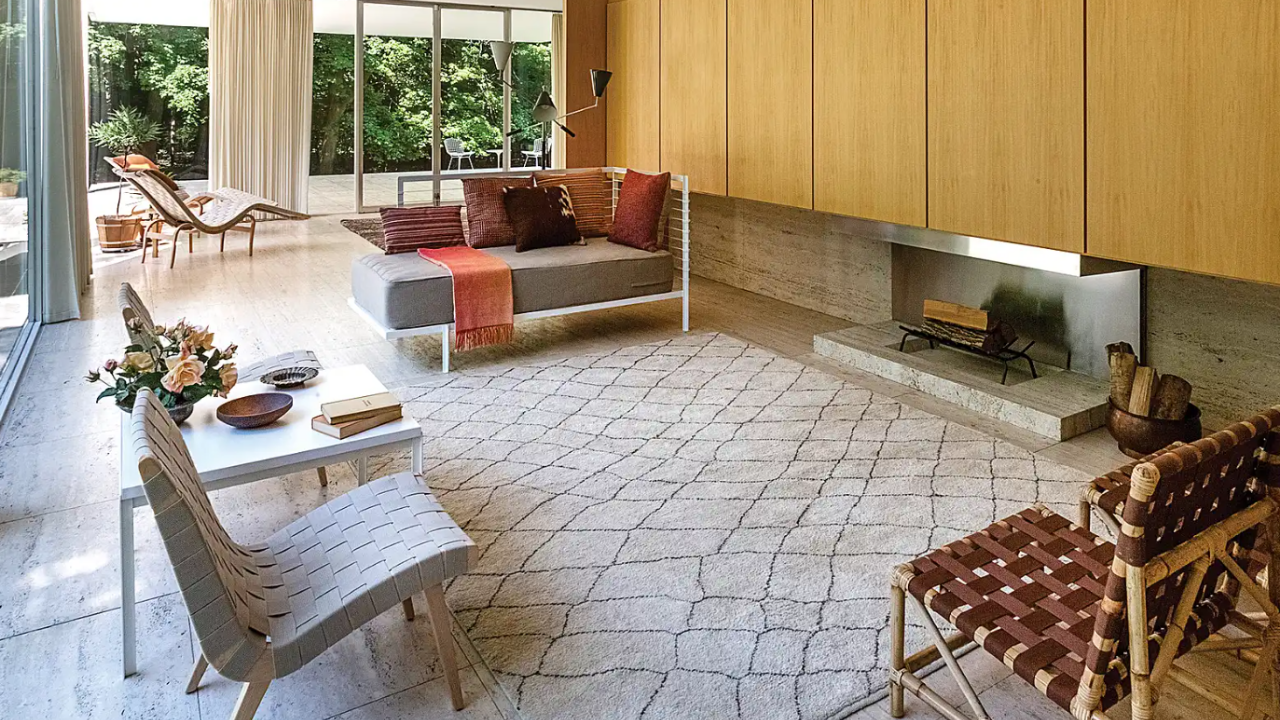
Completed in 1951, the house is a 1,586-square-foot, single-storey structure made largely of steel and glass. It sits beside the Fox River in Plano, Illinois, on a 62-acre property (Image Credit: National Trust for Historic Preservation)
From a private retreat to an architectural landmark
The house was not without controversy. Farnsworth and Mies disagreed over the rising construction costs. What had initially been estimated at about $40,000 eventually cost more than $74,000. Their disagreement became a legal dispute, with Mies filing a lien over unpaid costs and Farnsworth countersuing. Mies won the case, although the two eventually reached a settlement.Despite the troubled relationship behind it, the building itself became increasingly influential. Its glass walls, steel frame and close relationship with the landscape came to represent the minimalist approach associated with Mies and modernist architecture. After Farnsworth eventually retired to Italy, British developer and architecture enthusiast Lord Peter Palumbo acquired the property. He restored the house and allowed limited public tours. Then came the crisis in 2003.
The threat of being dismantled
Palumbo put the Farnsworth House on the market, and Illinois officials were initially interested in buying it. The state later withdrew from the deal because of financial difficulties. The property was then headed for auction. That created a different kind of concern. Potential buyers were not necessarily interested in preserving the house on its original site. Several had asked about taking the structure apart and moving it elsewhere.For a building whose design depended so heavily on its relationship with the surrounding landscape, relocation would have changed something fundamental about it. The National Trust described the situation as an imminent threat to one of the most internationally significant residential designs of the 20th century.
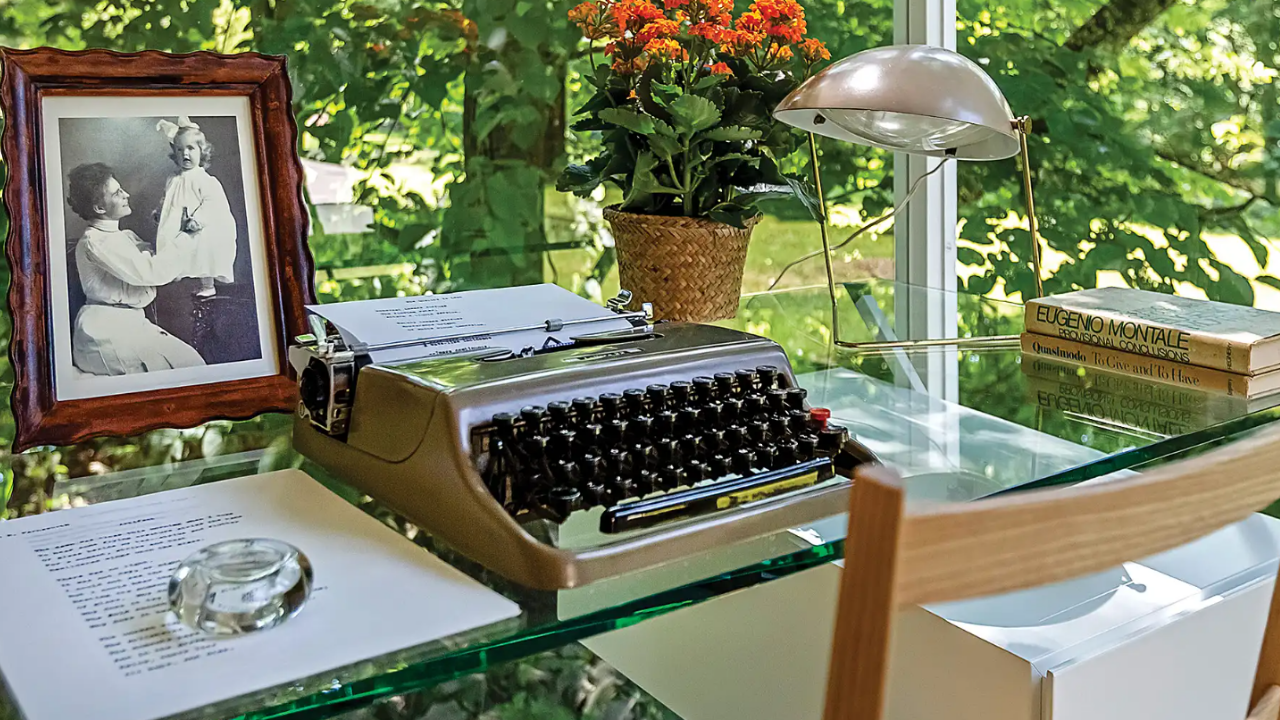
Today, the Farnsworth House is recognised as an iconic work of modernist architecture and has National Historic Landmark status (Image Credit: National Trust for Historic Preservation)
The $7.5 million rescue
The National Trust stepped in with Landmarks Illinois and local supporter and volunteer John Bryan. Together, they mounted a last-minute fundraising effort and went after the property at auction. Their winning bid was more than $7.5 million. The purchase meant the Farnsworth House would stay in Plano rather than being dismantled and shipped somewhere else. The site opened for tours in 2004, allowing the public to experience the house in the setting for which it was designed. Landmarks Illinois remains involved in preserving the property, while the National Trust operates the house.
Why keeping it in place mattered
The rescue was about more than saving a famous building. The setting is an essential part of the Farnsworth House itself. Mies positioned the structure beside the Fox River and elevated it above the surrounding landscape. Its terraces, glass walls and open interior were intended to create a constant visual connection with nature. Moving the house would therefore have separated the building from an important part of its architectural idea. Today, the Farnsworth House is recognised as an iconic work of modernist architecture and has National Historic Landmark status. Visitors can still see the steel-and-glass structure beside the Fox River much as Mies conceived it.What looked in 2003 like the possible end of the house’s connection to its Illinois setting instead became a major preservation success. A building that might have been dismantled was kept intact, on its original site, and opened to the public.