


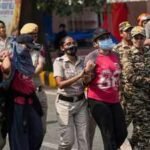




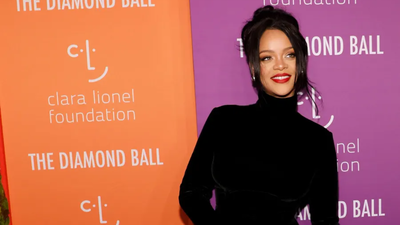
For some girls in Malawi, getting to class can mean a long walk each way, adding time and effort to an already demanding school day. In 2017, Rihanna’s Clara Lionel Foundation partnered with bike-sharing company Ofo to address that barrier alongside the cost of education. Their five-year initiative, called 1 KM Action, paired scholarships for girls with bicycles to help them travel to school more safely and quickly. Teen Vogue reported that the first bikes had already arrived in Malawi as the partnership was announced. The idea was simple but practical: a scholarship could help a student afford schooling, while a bicycle could make it easier to get there. Together, the two forms of support aimed to help more girls stay in education. Read more about it here:
Tackling two barriers at once
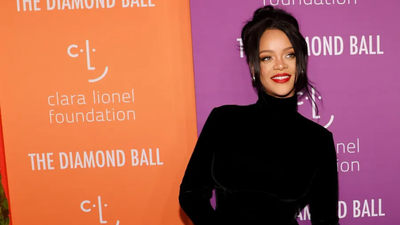
Rihanna founded the Clara Lionel Foundation in 2012, naming it after her grandparents. The organisation’s work includes supporting education, health, arts and culture, and emergency response programmes. In 2017, it announced a partnership with Ofo, a Beijing-based bike-sharing company, to support girls pursuing secondary education in Malawi.The collaboration connected two needs that are often treated separately. Scholarships could help students with the costs of continuing their education, while bicycles could ease the challenge of travelling to school. For girls who had to walk long distances, a bike could reduce time on the road and make the daily journey more manageable.The partnership was called 1 KM Action, a name that drew attention to the distance many students travelled. The programme was designed to provide scholarships through the Clara Lionel Foundation’s Global Scholarship Program, while Ofo supplied bicycles for scholarship recipients.In an interview quoted by Teen Vogue, Rihanna said she was pleased that the partnership could help students access quality education and help girls get to school safely, reducing the long walks they might otherwise make alone. The aim was not simply to put bicycles in students’ hands, but to make school attendance more achievable.
The first bikes arrive
The first batch of bicycles had arrived in Malawi by the time the partnership was announced. Teen Vogue reported that students and teachers had responded positively to the bikes. Their arrival marked an early step in a collaboration planned to last five years.
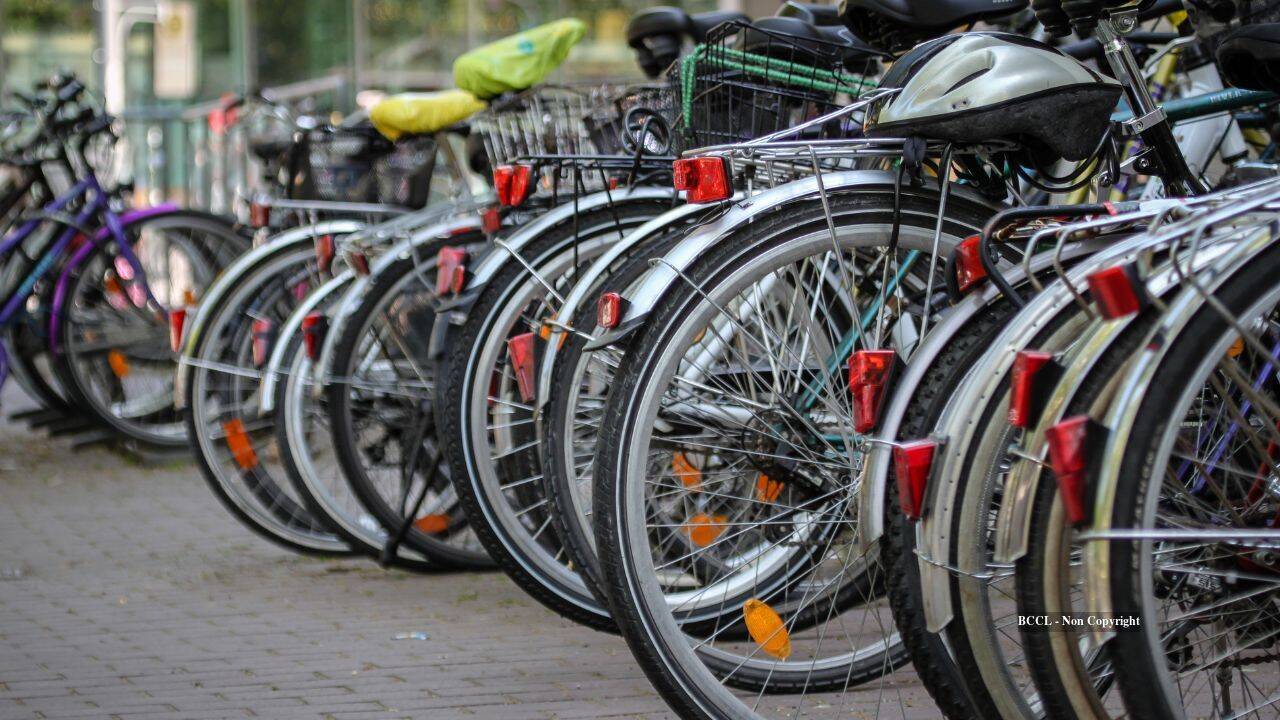
Representative image
The bicycles were intended for girls who qualified for scholarships, connecting transport assistance directly to school participation. This made the scheme more targeted than a general bike giveaway. The support was meant to reach students who were continuing their education and facing practical difficulties getting to class.For families, the combined package could address more than one obstacle. Secondary education often involves costs beyond tuition, while the daily commute can require time and energy that might otherwise be spent on study, family responsibilities or rest. A bicycle cannot remove every barrier, but it can change how a student experiences the journey to school.The programme also drew attention to the particular pressures girls can face in accessing education. Long commutes can bring safety concerns and add difficulty to an already demanding routine. By pairing scholarships with bicycles, the initiative acknowledged that school access depends on more than a place in a classroom.
Why transport matters
Education programmes often focus on tuition, supplies or school infrastructure. Yet getting to school is part of the experience too. When a student has to travel a considerable distance each day, the commute can affect attendance, concentration and the time available for other responsibilities.A bicycle offers a relatively direct solution. It can shorten travel time and provide more flexibility than walking, especially where public transport is limited or unreliable. In the context of the 1 KM Action partnership, the bikes were presented as a way to support safer, easier access to school for scholarship recipients.The programme’s design reflected a broader idea: support is most useful when it responds to the daily realities students face. A scholarship may open a door, but practical measures can help students keep walking through it. Combining financial and transport assistance made the initiative more attentive to the full journey from home to classroom.That approach also helped make the partnership visible. The bicycles were a tangible part of the programme, something students could use every day. The scholarship support, meanwhile, addressed the financial side of continuing education, creating a package that connected opportunity with access.
A five-year partnership
The Clara Lionel Foundation and Ofo described 1 KM Action as a five-year partnership. Through the foundation’s Global Scholarship Program, the initiative aimed to help hundreds of girls attend secondary school in Malawi. Ofo’s contribution was to provide bicycles to those receiving scholarships.The arrangement brought together a charitable foundation and a commercial bike-sharing company around a shared goal. The collaboration showed how different kinds of organisations could contribute distinct resources: the foundation focused on educational support, while the company supplied transport.The partnership was part of Rihanna’s wider philanthropic work, but it also responded to a specific local challenge. Rather than treating education as an abstract cause, the initiative linked support to the practical realities of school attendance in Malawi.The first bikes arriving was an important beginning, not evidence that all transportation or education barriers had been resolved. The programme’s long-term value depended on how many students it could support and whether the combined assistance helped them remain in school.
A small change with a daily impact
A bicycle can seem like a modest intervention compared with the scale of educational inequality. Yet for a student who must travel a long way to class, the difference can be felt every day. Less time walking may mean more time for lessons, homework or rest, while a more manageable journey can ease some of the strain on students and families.The 2017 partnership between Rihanna’s foundation and Ofo was built around that kind of everyday impact. Scholarships addressed the cost of schooling, and bikes helped with the journey. The first batch had already reached Malawi when Teen Vogue reported on the initiative, giving the programme an immediate, practical start.The project offered a reminder that helping students stay in school can involve more than paying fees. It can mean understanding what stands between a young person and the classroom, then finding support that fits the problem. For the girls receiving bicycles and scholarships, 1 KM Action aimed to make the route to education a little shorter, safer and more possible.