








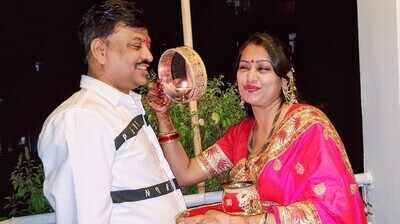
Patna: Karwa Chauth, once largely associated with states such as Punjab, Haryana, Rajasthan and western Uttar Pradesh, is steadily gaining popularity among women in Bihar. What was once unfamiliar to many local communities is now being embraced across generations, driven by migration, popular culture and evolving social traditions.Sociologist Ashesh Dasgupta said Karwa Chauth, which will be observed on Thursday, was not traditionally practised by local Bihari communities. However, migration and cultural exchange have helped the festival gain acceptance in the state. He added that exposure to customs from other regions and people’s faith in religious traditions, have also contributed to its growing popularity.Fashion designer Shilpi Goel Singh said films and television shows played a key role in taking Karwa Chauth beyond its traditional geographical boundaries. “Indian films and television dramas have significantly contributed to popularising Karwa Chauth across the country, including Bihar,” she said.Though not a prescribed religious fast in traditional scriptures, Singh said she had watched her grandmother, mother and aunts observe it with devotion and began celebrating it after marriage. For her, the festival is as much about family bonding as it is about faith.“It is one of the few occasions when the entire family comes together. Women fast during the day, meet one another, exchange karwas and later celebrate with a family dinner and gifts,” she said.Singh believes the festival’s growing appeal also lies in its relatively simple rituals compared with more demanding fasts such as Teej and Chhath.For Archana Singh, managing director of a Patna-based water park and resort business, Karwa Chauth has been an important part of her married life for more than two decades. This year marks her 23rd fast. “There is a strong sense of joy and community associated with the festival. I am the first person in my family to observe it. Like Teej and Shivratri, Karwa Chauth has become an important part of my life,” she said.The growing participation reflects how cultural traditions evolve and travel across regions, with more women in Bihar embracing Karwa Chauth as an occasion for devotion, celebration and togetherness.